
How to Re-Caulk a Glass Shower Door
Old silicone turns yellow, grows mildew and starts to leak. Re-caulking takes about an hour of work plus cure time, and the secret to a professional-looking bead is in the prep.
What you need
- Silicone remover and a scraper: CRL CRLSRK1T, CRL RS65 with CRL 51S blades
- Rubbing alcohol and lint-free wipes
- Painter's tape
- Silicone: CRL 33SMRC (or CRL RTV408C with brass hardware) and a caulking gun
Step by step
- Remove the old silicone. Spray the old bead with a silicone remover like CRL CRLSRK1T, let it soften, then slice and scrape it off with a single-edge blade in a holder like the CRL RS65. Keep the blade low and flat so you don't scratch tile, stone or glass.
- Clean the joint. Wipe away every bit of residue, then clean both surfaces with rubbing alcohol and a lint-free wipe. New silicone will not bond to old silicone, soap scum or moisture.
- Let it dry. The joint must be completely dry. Give it a few hours (or overnight) after the last shower.
- Tape both sides. Run painter's tape along both sides of the joint, leaving a gap the width of the bead you want.
- Pick the right silicone. Use a mildew-resistant clear silicone like CRL 33SMRC. If any of the hardware is brass, use neutral-cure CRL RTV408C instead: standard acetic silicone can turn brass green.
- Apply the bead. Cut the nozzle at an angle to the size of the joint, load the tube in a caulking gun like the CRL GA1204, and run one steady, continuous bead.
- Tool and pull the tape. Smooth the bead with a wet finger or tool, then pull the tape right away, while the silicone is still wet, pulling away from the joint.
- Let it cure. Keep water off it until it has fully cured. Follow the cure time on the tube label before you use the shower.
Common mistakes
- Caulking over old silicone. It peels within weeks. Always remove the old bead completely.
- Caulking a wet joint. Trapped moisture is the most common reason new silicone fails or mildews.
- Using acetic silicone on brass. It can turn the brass green; use neutral cure.
- Caulking the moving edge of the door. Silicone goes where glass meets a wall, curb or fixed panel, never on the edge of a door that opens. That gap needs a seal.
Finish with the glass
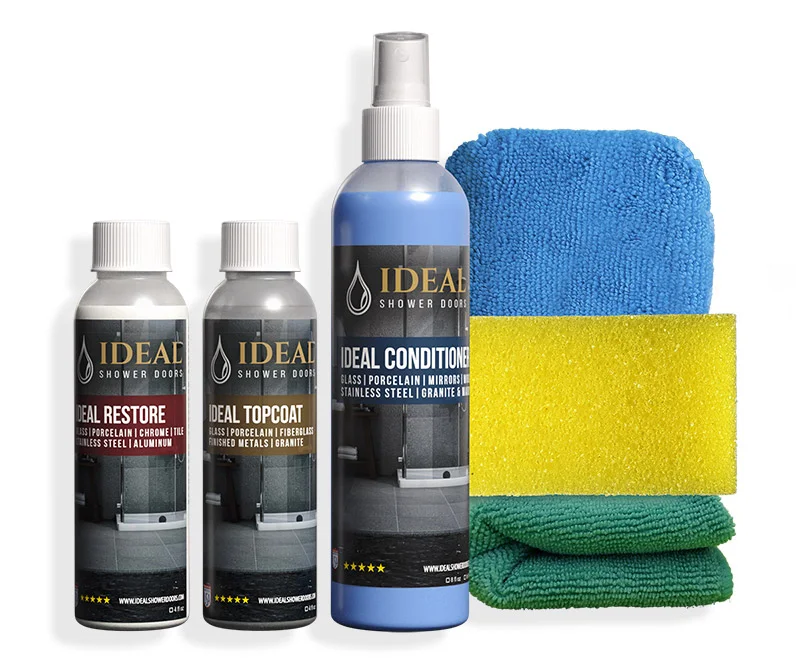
Fresh, white silicone makes cloudy glass next to it stand out. Once the new bead has fully cured (keep cleaners off it until then), give the glass the same fresh start with the IDEAL Bath Kit: Restore lifts water spots and haze, TopCoat seals the glass with a water-repellent protective coating, and Conditioner buffs it to a streak-free shine.
Use our Seal Finder
Pick your door, point to where it leaks and we'll show only the seals that fit your glass. Takes about 30 seconds.
Products in this guide
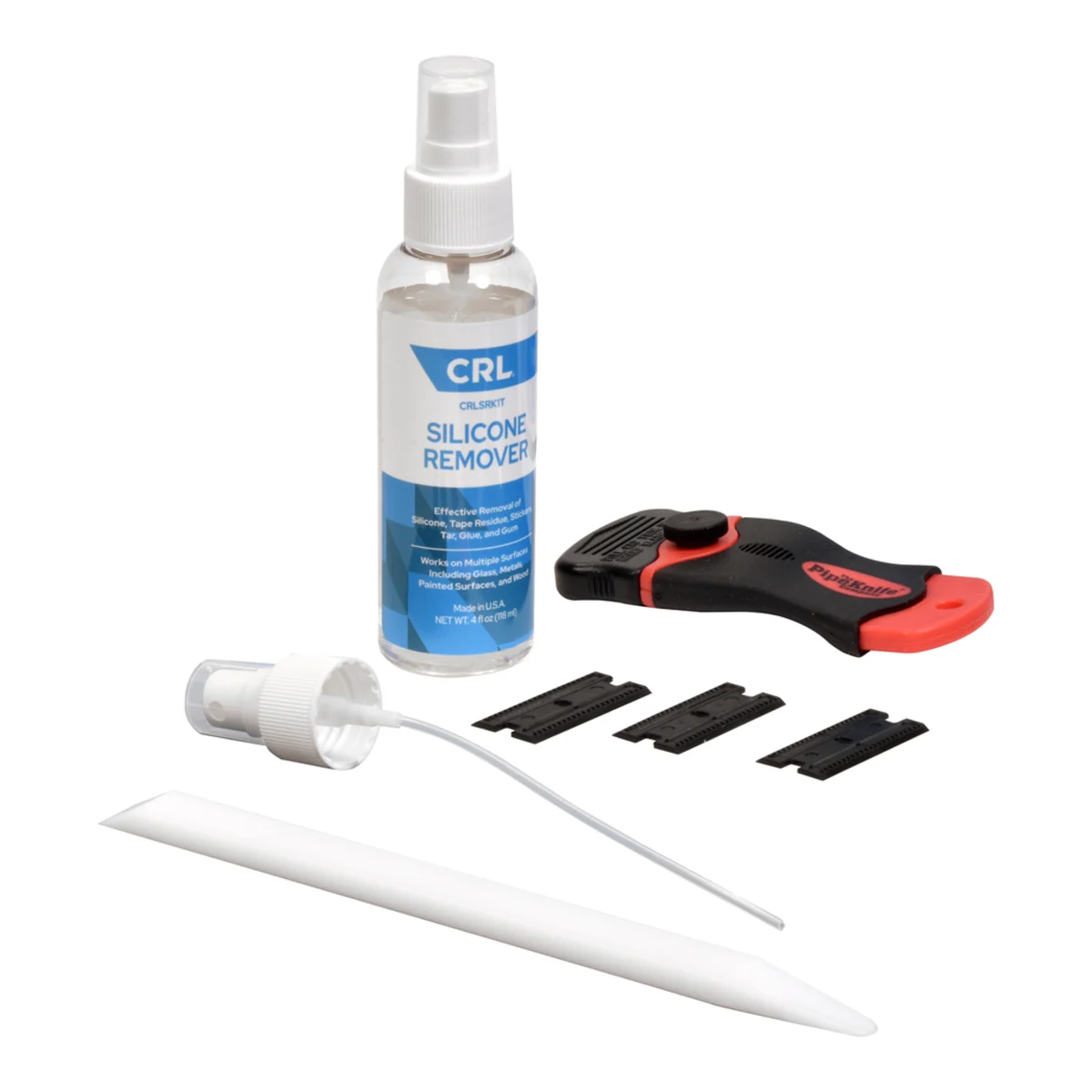
Silicone and Adhesive Remover Kit
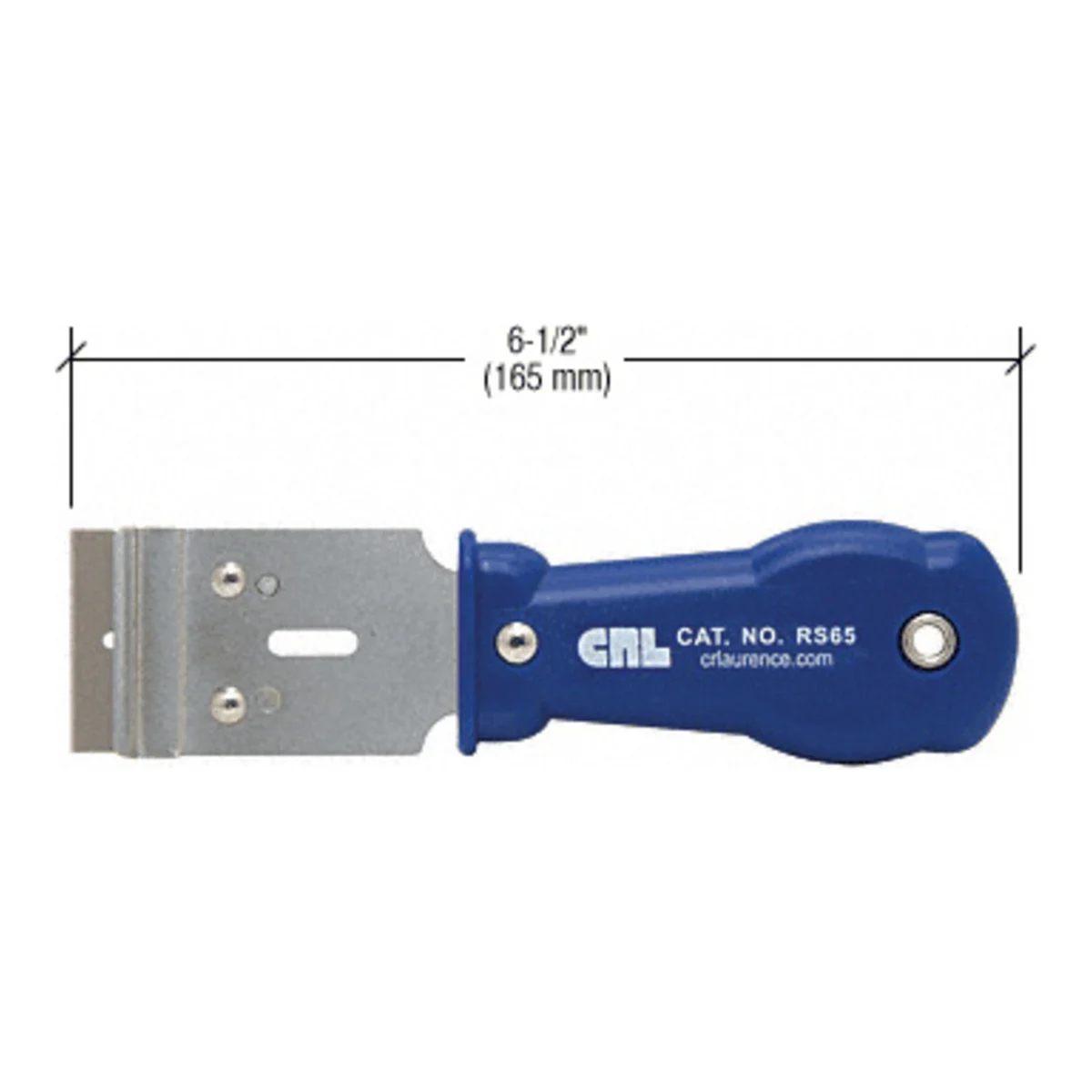
Razor Blade Holder and Scraper
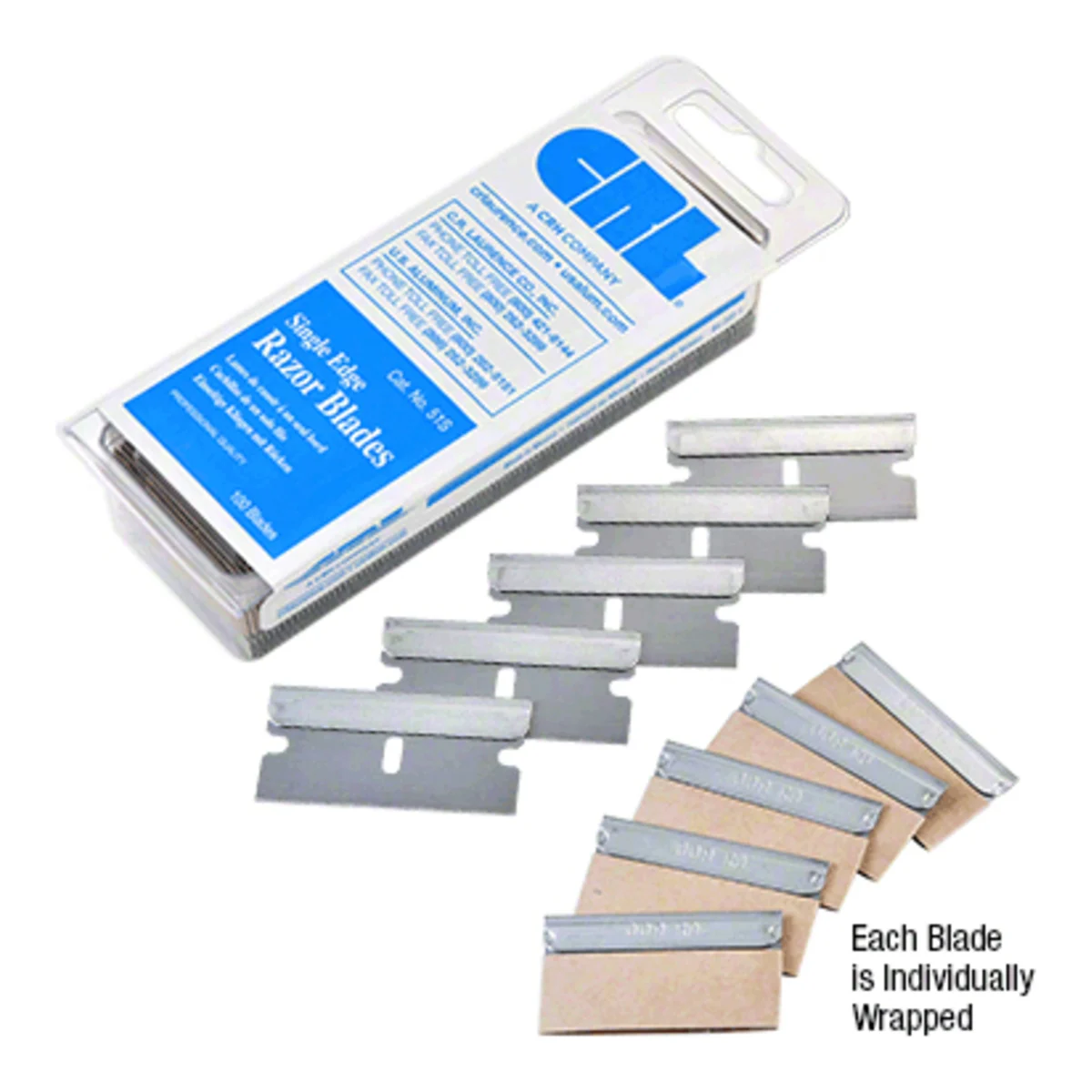
Single-Edge Razor Blades (100-Pack)
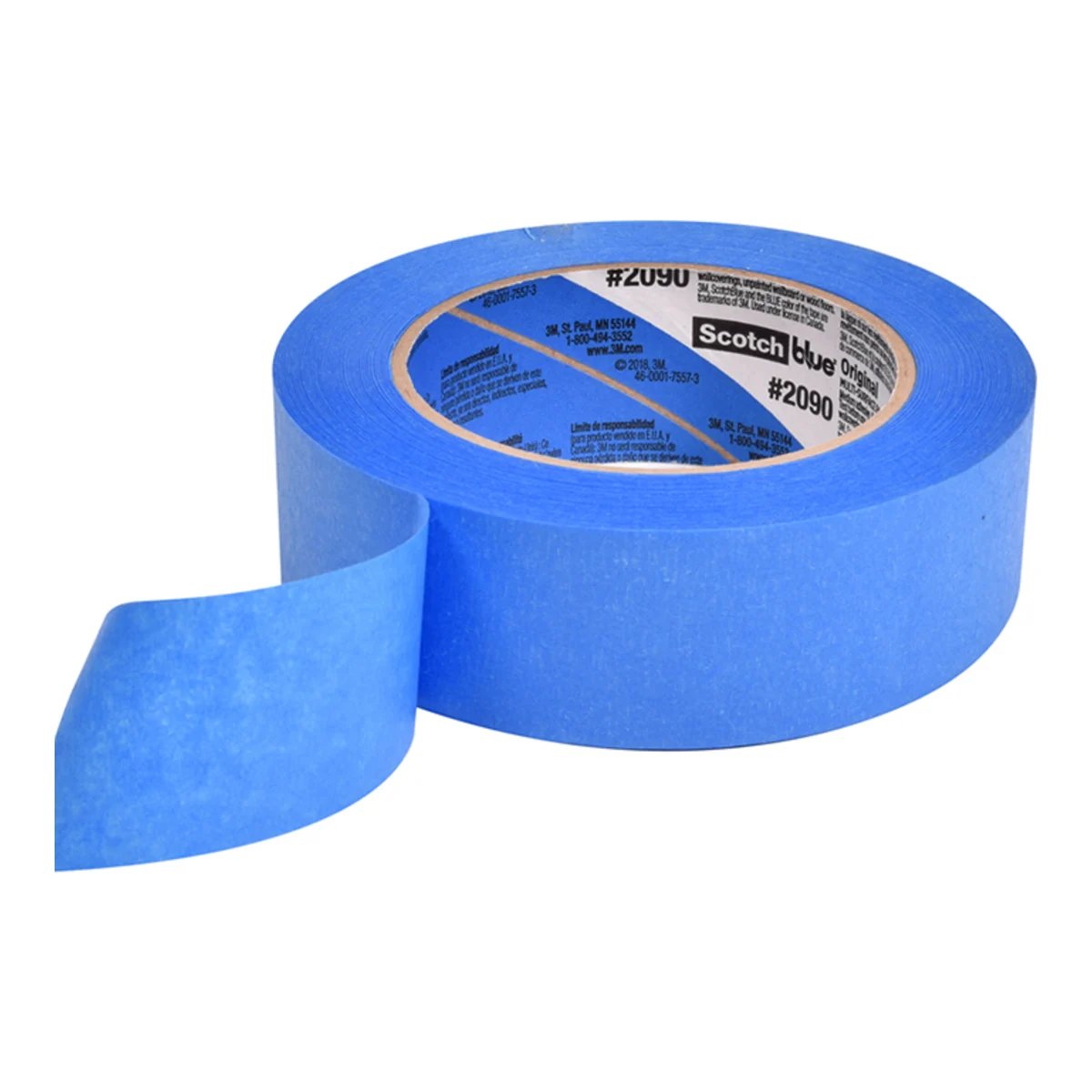
3M ScotchBlue Painter's Tape, 1.41" x 60 yd
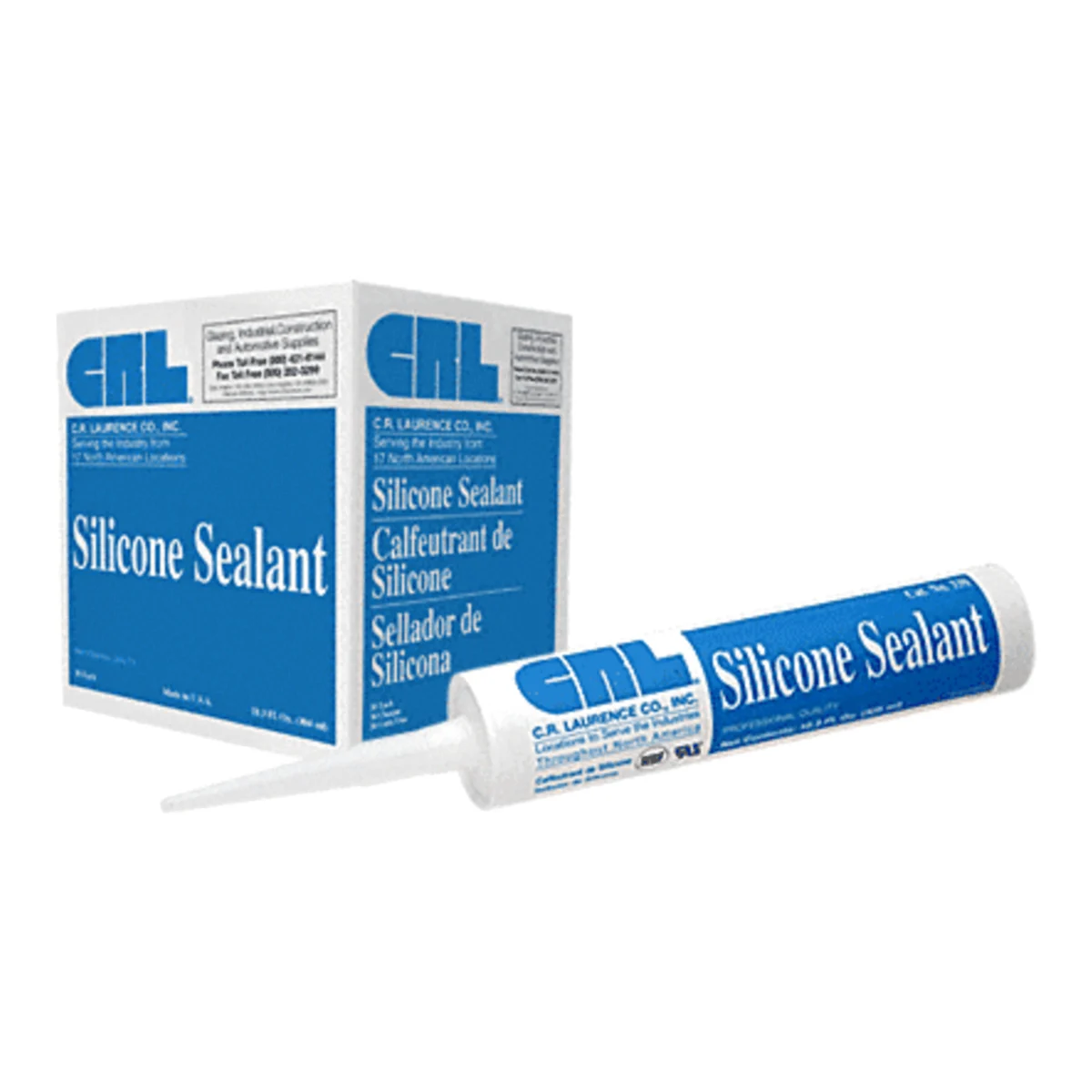
Mildew-Resistant Clear Silicone Sealant (10.3 oz Tube)
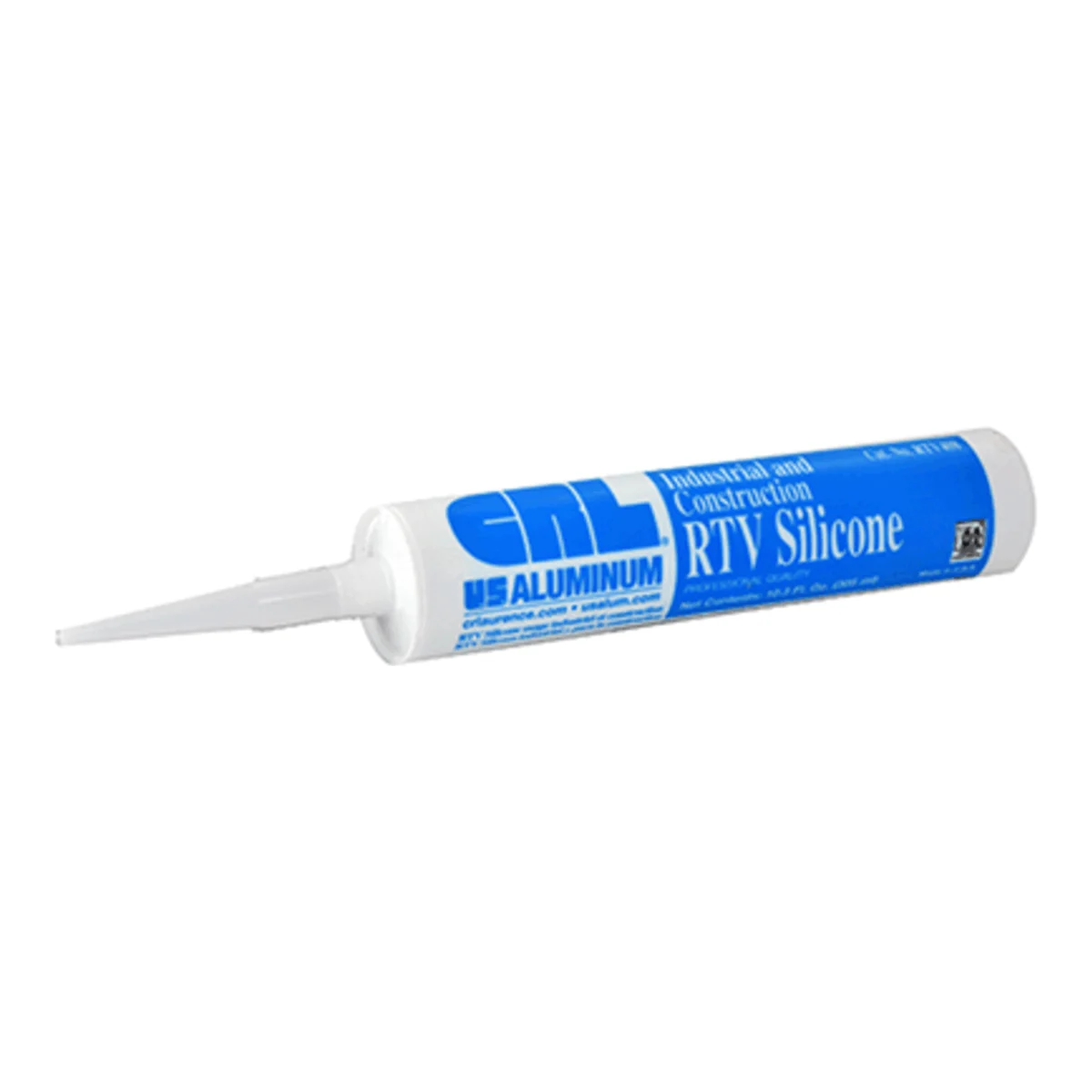
Neutral-Cure Clear Silicone for Brass Hardware (10.3 oz Tube)
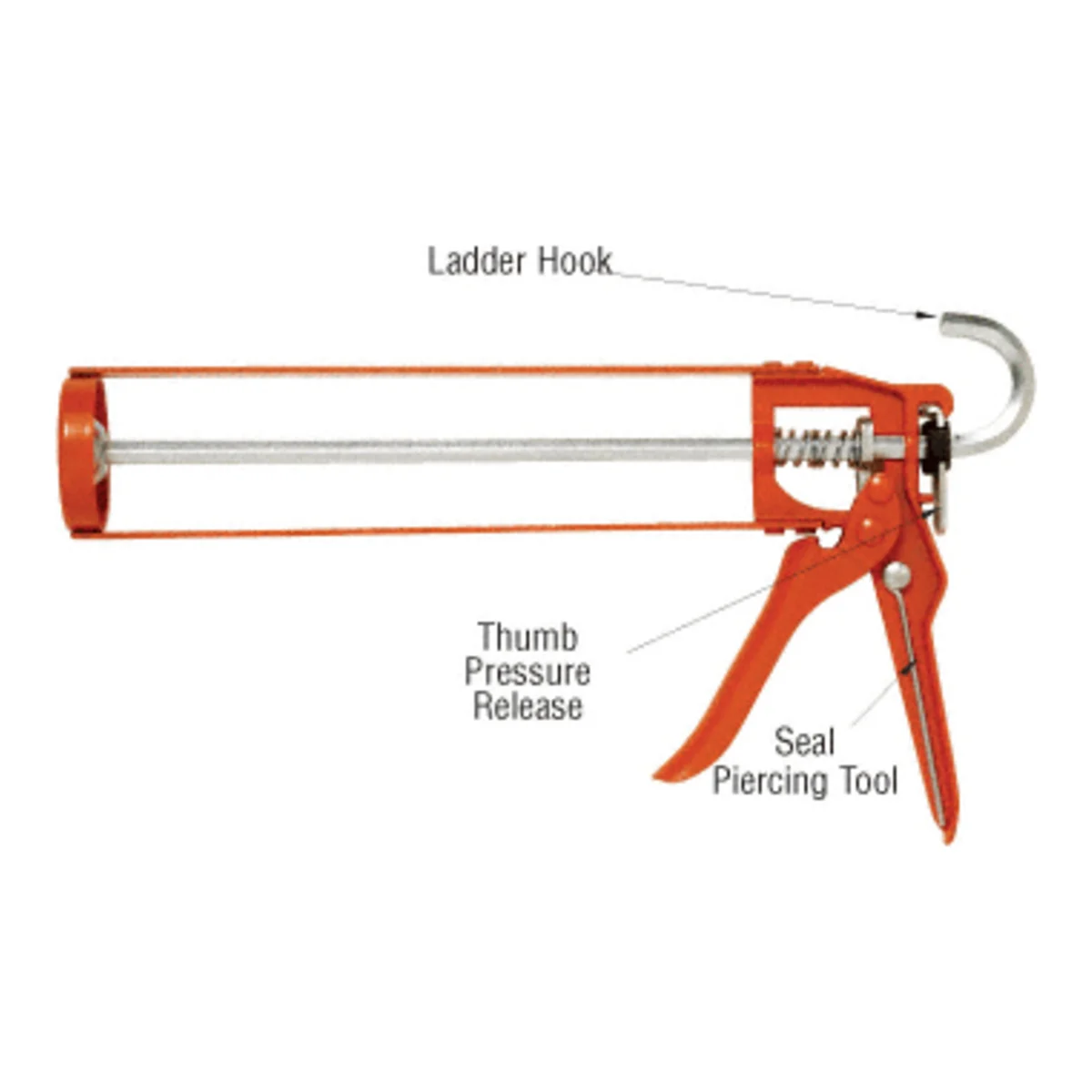
Metal Caulking Gun for 10.3 oz Tubes
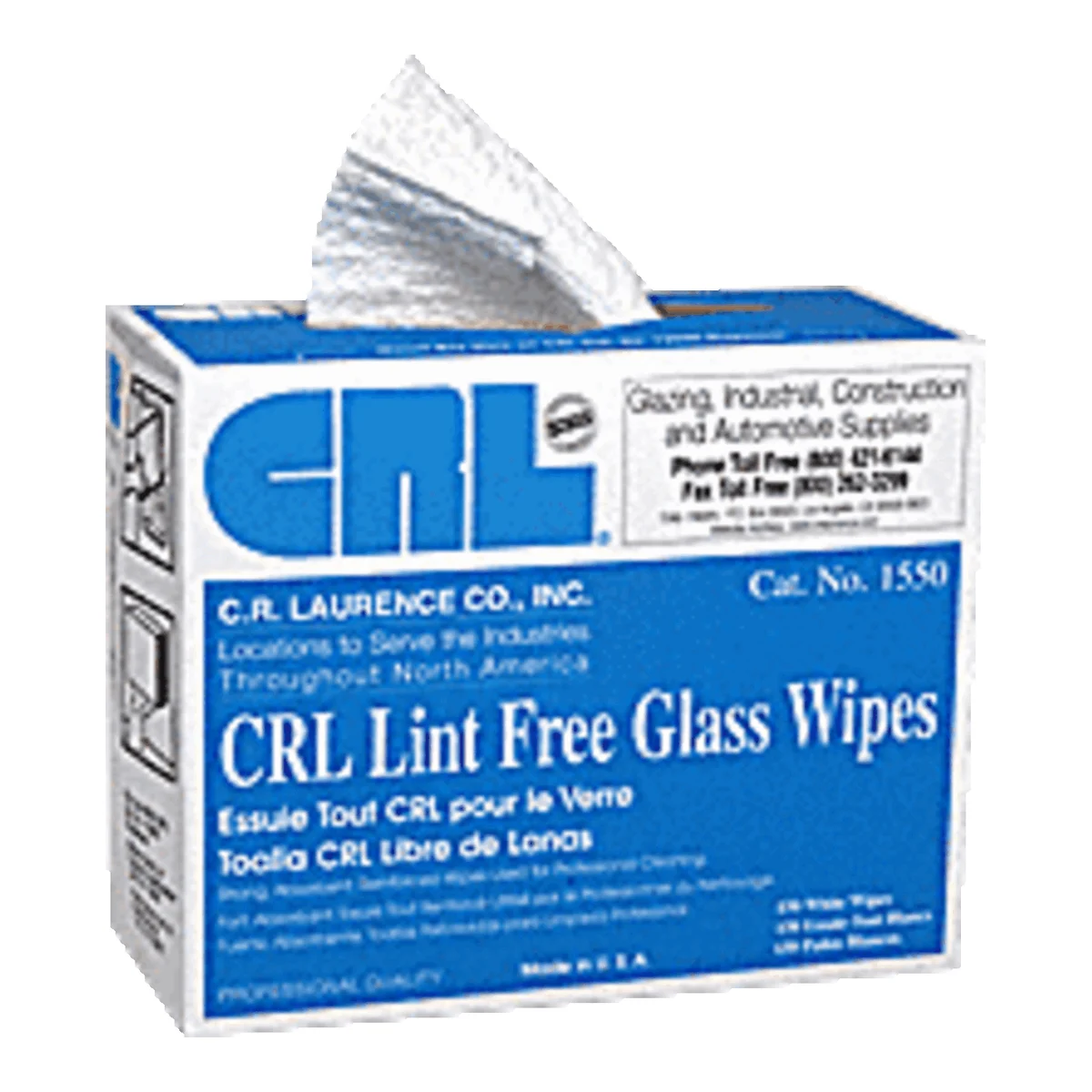
Lint-Free Glass Wipes (Box of 150)
 Ships from IDEAL
IDEAL Bath Kit
Common questions
Can I put new silicone over old silicone?
No. New silicone does not bond to old silicone. Remove the old bead completely, clean the joint and let it dry first.
What silicone should I use with brass shower hardware?
A neutral-cure silicone like CRL RTV408C. Acetic-cure silicone gives off acid while it cures and can turn brass green.
How do I get a straight silicone line?
Tape both sides of the joint with painter's tape, apply and smooth the bead, then pull the tape while the silicone is still wet.