
Guide
Acetic vs. Neutral-Cure Silicone (33S vs. RTV408) for Showers
Both are 100% silicone. The difference is how they cure, and that matters if your shower has brass hardware.
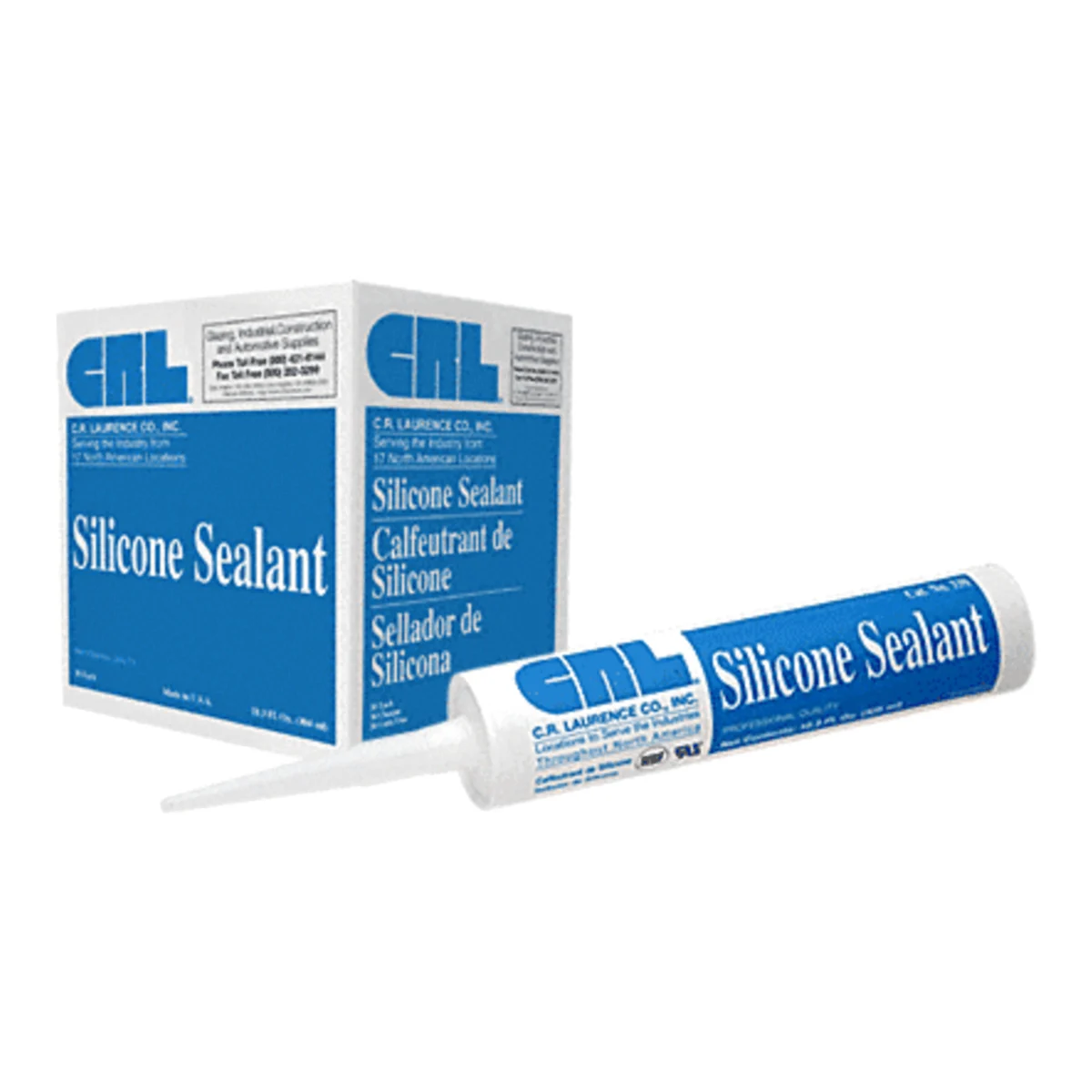
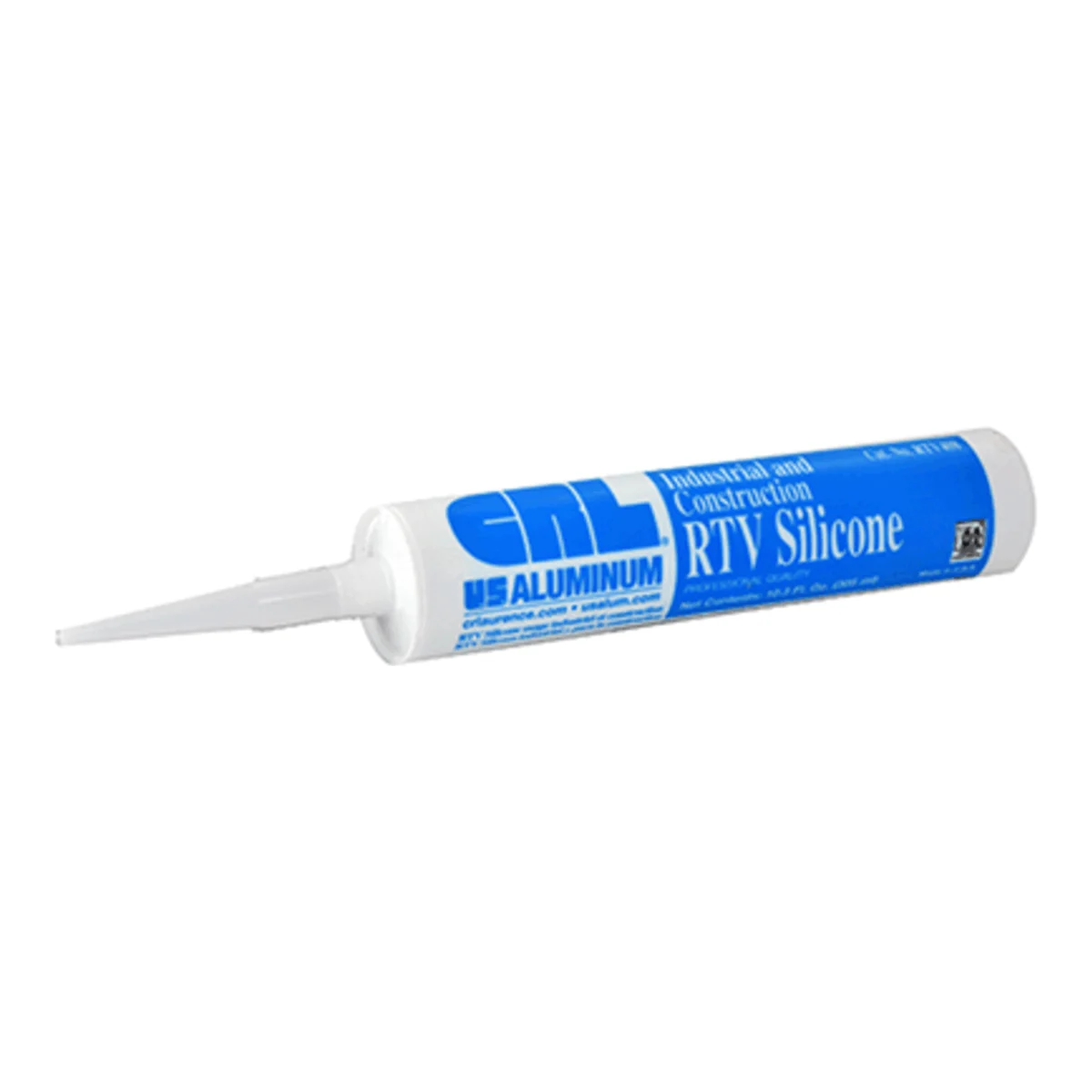
| CRL 33S (33SMRC) | CRL RTV408 (RTV408C) | |
|---|---|---|
| Cure | Acetic (vinegar smell) | Neutral, low odor |
| Mildew resistant | Yes | — |
| Safe with brass | No: can turn brass green | Yes: non-corrosive to metals |
| Not for | Marble, limestone, mirrors, painted surfaces | Aquariums, acrylic, polyethylene |
Which should you use?
For most showers, mildew-resistant CRL 33SMRC is the go-to. If any of the hardware is brass, use CRL RTV408C: acetic silicone releases acid while it cures, and that acid can turn brass green.
Not sure which seal you need?
Use our Seal Finder
Pick your door, point to where it leaks and we'll show only the seals that fit your glass. Takes about 30 seconds.
Products in this guide
Common questions
What is the difference between acetic and neutral-cure silicone?
Acetic-cure silicone releases acetic acid (the vinegar smell) while it cures; neutral-cure silicone does not, which makes it safe on metals like brass.
Will 33S silicone damage brass?
It can. Acetic-cure silicone like 33S can turn brass green, so use a neutral-cure silicone like CRL RTV408C with brass hardware.
More guides
Sweep vs. drip railThey do two different jobs at the bottom of the door, and the most popular frameless bottom seals combine both in one piece..H-jamb vs. bulb sealBoth close the gap along the vertical edge of the door.Clear vs. black sealsClear and black versions of the same seal fit and work exactly the same.Shower door leaking at the bottomWater on the bathroom floor almost always comes from one of four places.