
How Long Do Shower Door Seals Last?
There is no single number: a shower door seal's life depends mostly on how much the shower is used and how hard the water is where you live.
What wears seals out
- Usage. A shower used several times a day wears its seals out far sooner than a guest bath used once a week. Every swing of the door flexes the fins, and every shower soaks them.
- Hard water. Minerals in hard water build up on the seals, stiffen the soft fins and leave white crust that keeps them from sealing. The harder your water, the sooner they go.
- Cleaning products. Harsh or abrasive cleaners and bleach break down vinyl faster. Mild soap and water is all seals need.
Signs it's time to replace them
- Water on the floor that wasn't there before
- Fins that are stiff, curled, cracked or torn
- Yellowing, or black mildew that won't clean off
- A seal that slides or falls off the glass
How to make them last
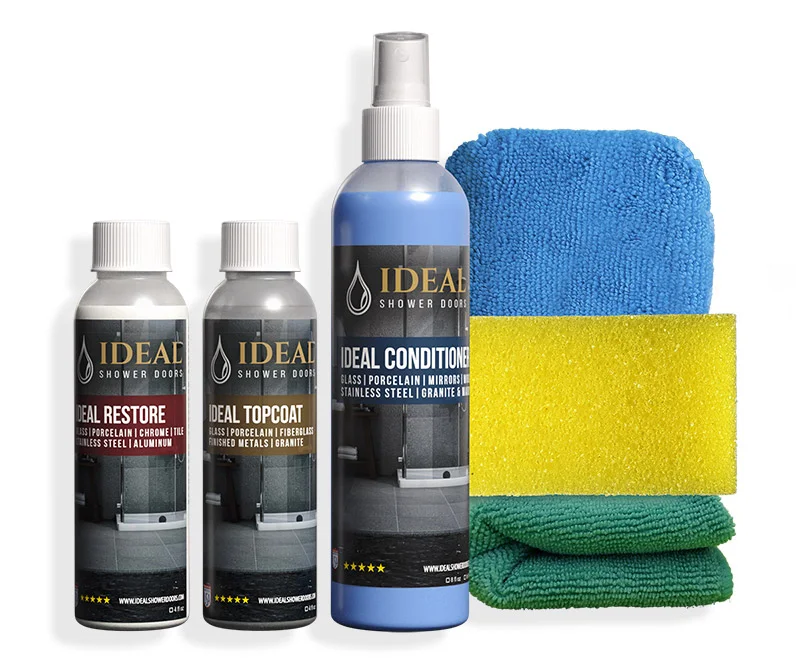
Squeegee the glass and seals after showering, keep the bathroom ventilated so they dry, and clean them with mild soap instead of harsh chemicals. In hard-water areas, the less water that dries on the door, the less mineral crust there is to reach the seals. A weekly spray-and-buff of the glass with IDEAL Conditioner leaves a water-repellent shine, so water beads and runs off instead of drying in place. If the glass is already spotted or hazy, restore and seal it first with the IDEAL Bath Kit.
Ready to replace? Start with the Seal Finder or measure your glass.
Products in this guide
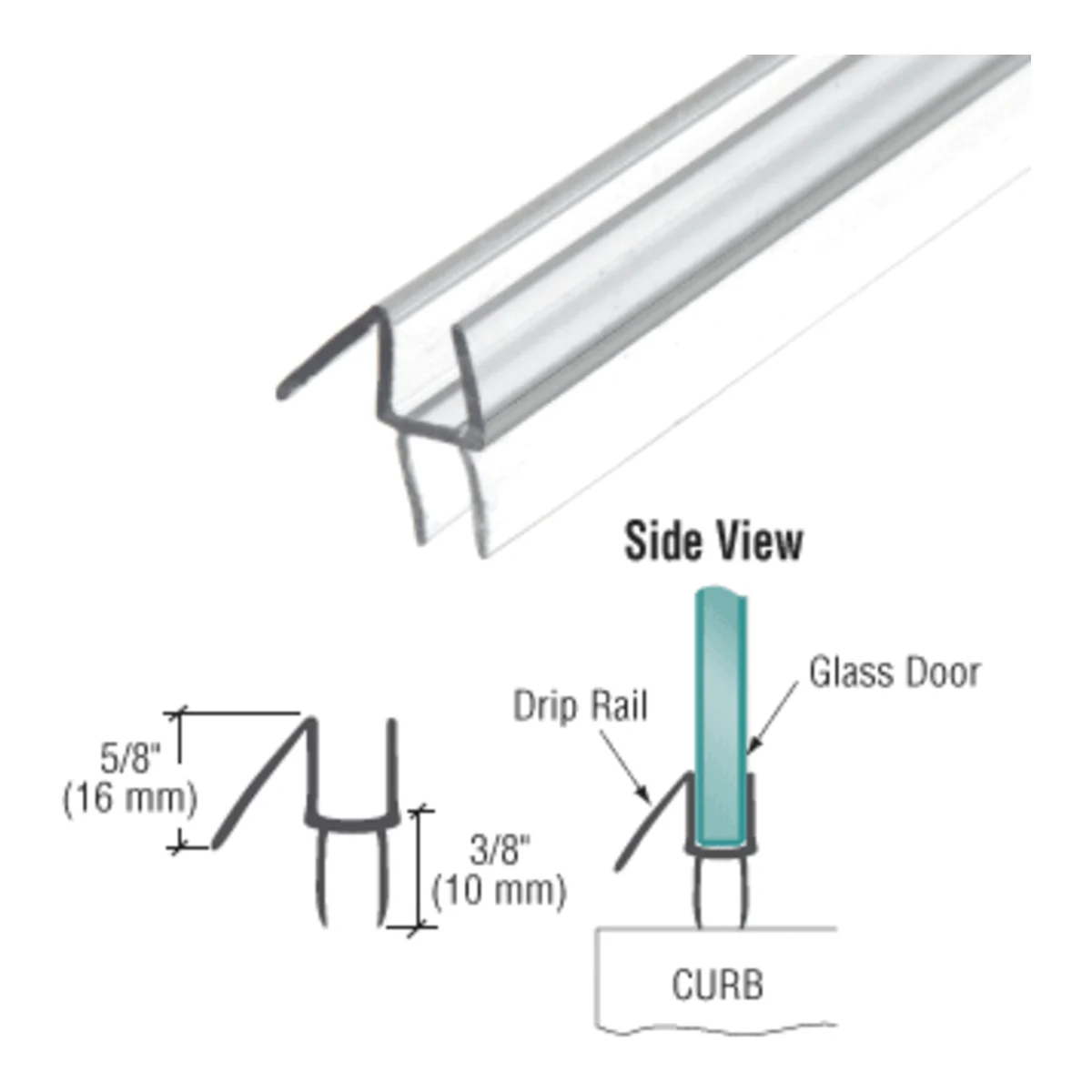 Most common
Bottom Wipe with Drip Rail for 3/8" Glass
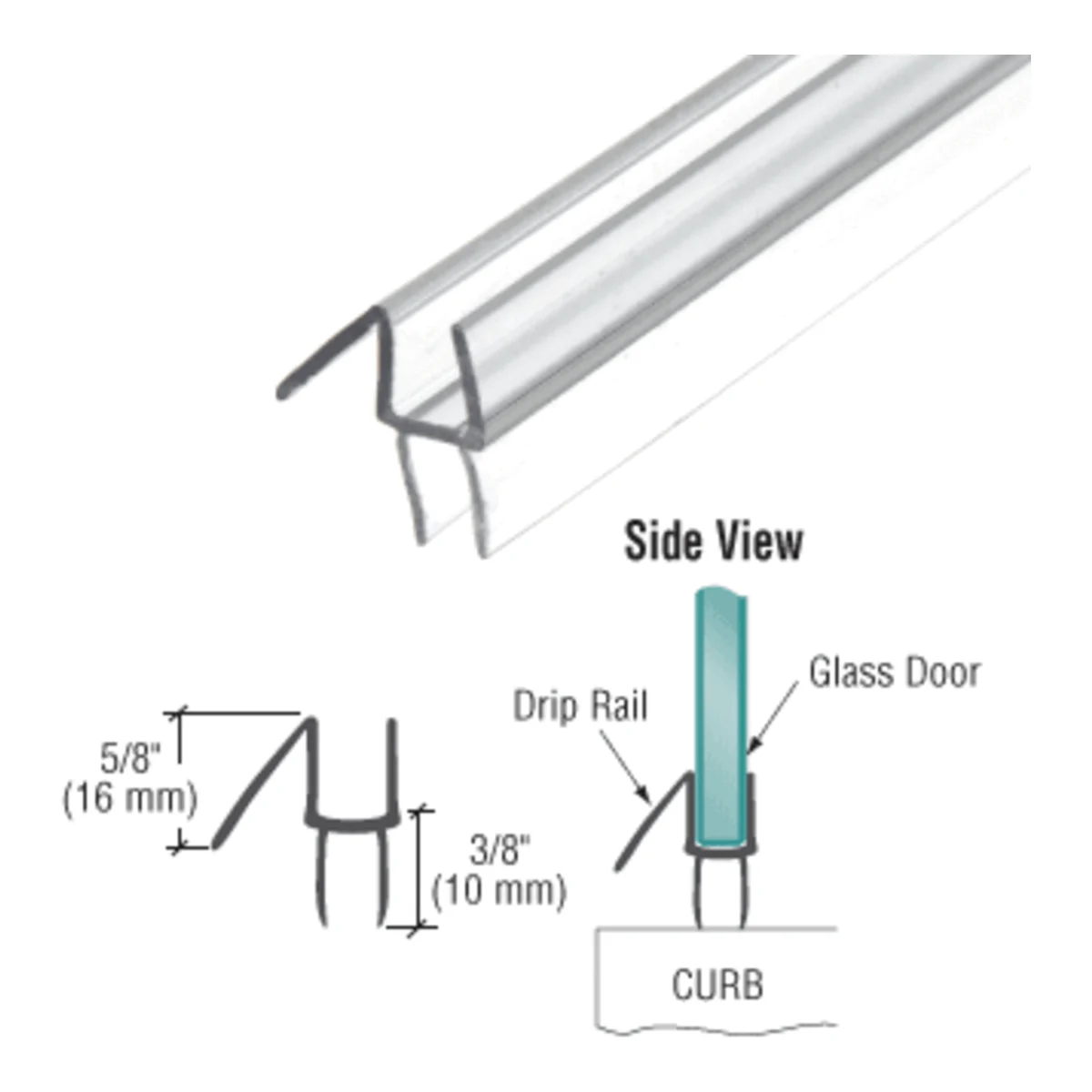 Most common
Bottom Wipe with Drip Rail for 1/2" Glass
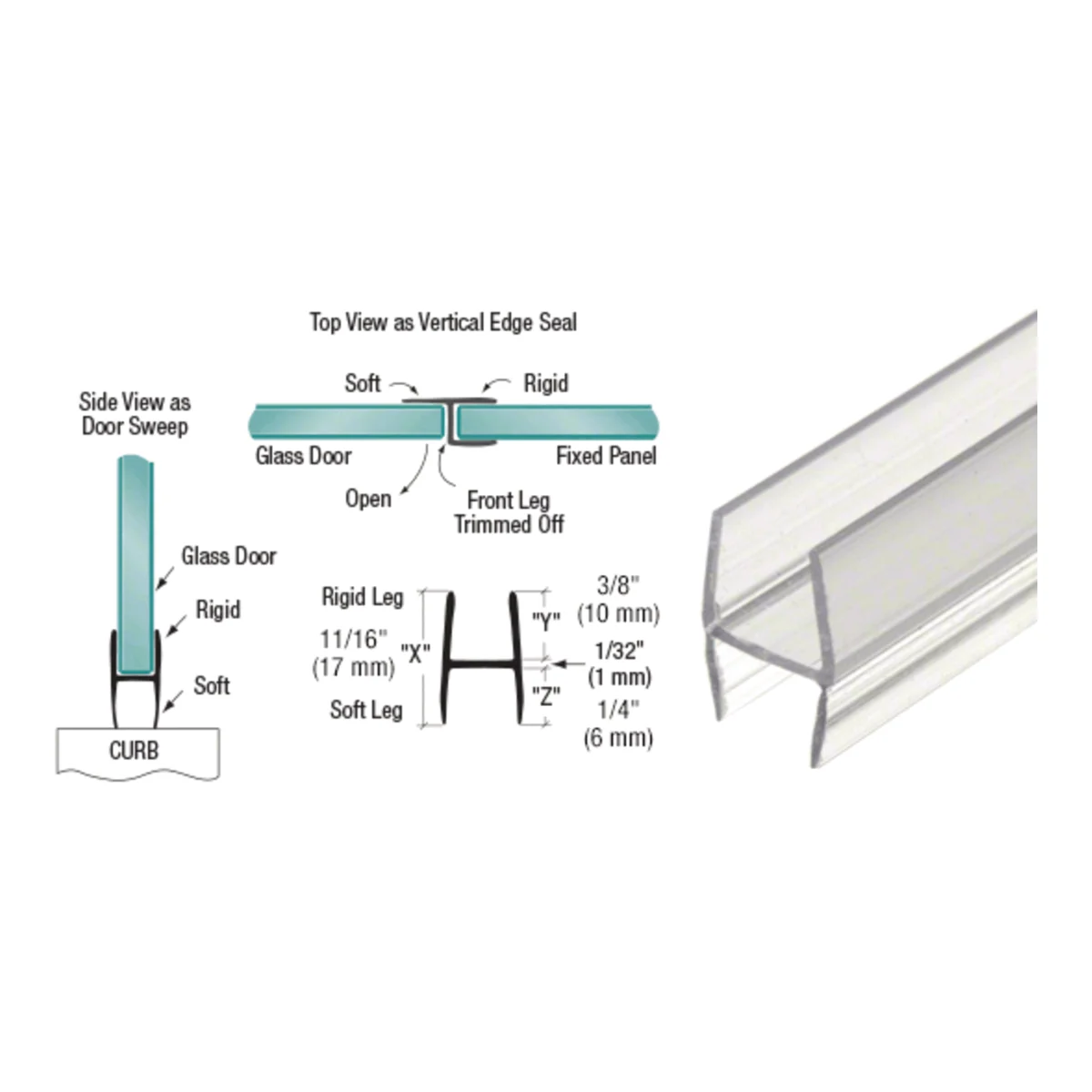 Most common
Multi-Purpose 'H' Wipe for 3/8" Glass
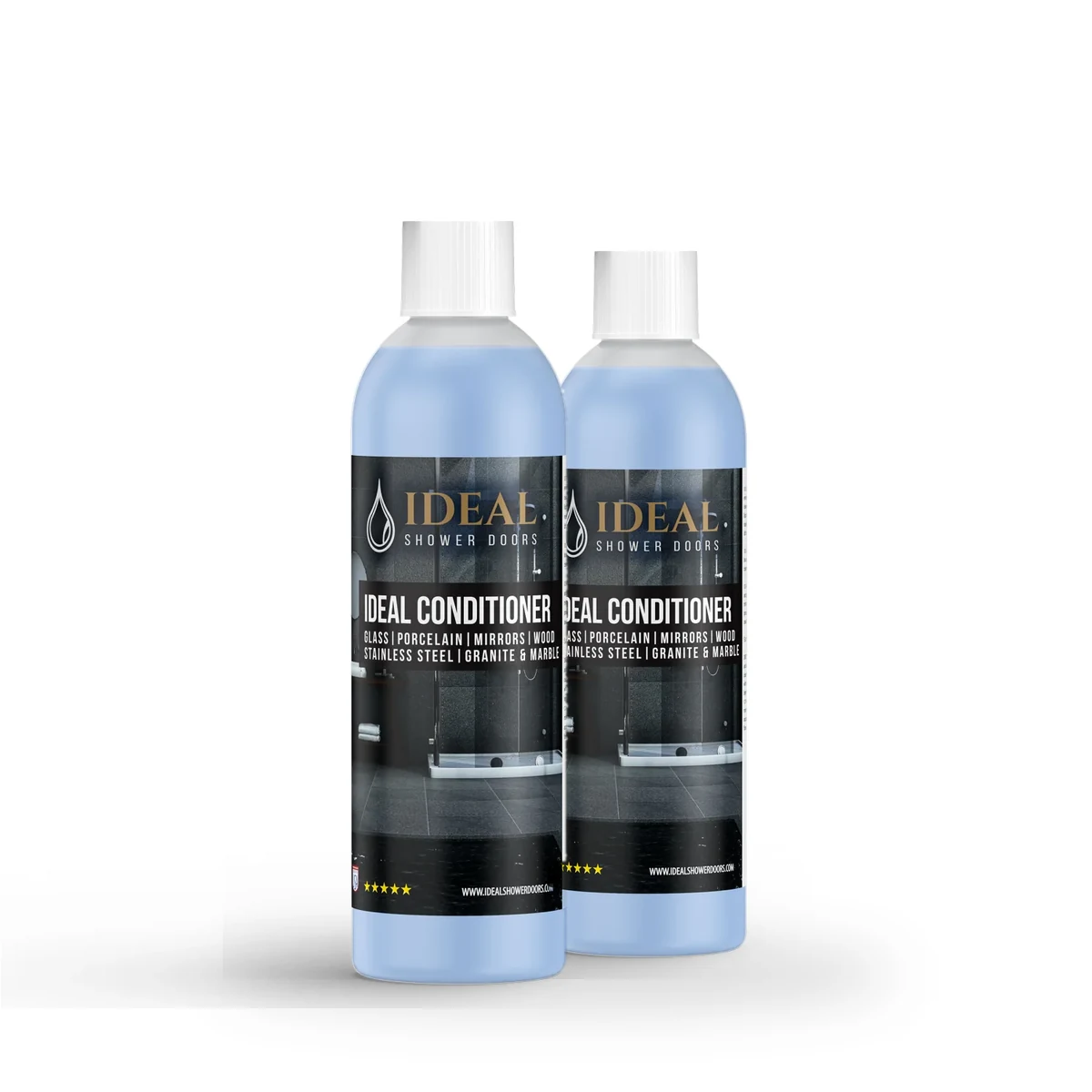 Ships from IDEAL
IDEAL Conditioner 2-Pack
 Ships from IDEAL
IDEAL Bath Kit
Common questions
How often should shower door seals be replaced?
It depends on how often the shower is used and how hard your water is. Replace them when they leak, stiffen, crack, yellow or won't stay on the glass.
Does hard water affect shower door seals?
Yes. Minerals build up on the seals, stiffen the soft fins and keep them from sealing, so seals in hard-water areas wear out sooner.
Can I clean a moldy shower door seal instead of replacing it?
Surface mildew often cleans off with mild soap and water. If black spots remain inside the vinyl, replacing the seal is the only real fix.